ABSTRACT
As a phytoalexin, resveratrol is a natural polyphenolic compound present mainly in grapes, berries, and peanuts, which has received substantial attention in scientific research for its wide-ranging pharmacological properties and therapeutic applications. This review offers a thorough assessment of its pharmacokinetics, molecular targets, and underlying mechanistic pathways of its bioactivity. Resveratrol exhibits antioxidant, anti-inflammatory, cardioprotective, neuroprotective, and anticancer effects through the modulation of signaling pathways of SIRT1, AMPK, and NF-κB. Besides its pleiotropic effects, resveratrol acts as a potential biomarker for therapeutic response due to its regulation of gene expression and epigenetic factors in disease studies. Its clinical use has been limited by low bioavailability and rapid metabolism, despite promising in vitro and animal studies, which has fueled research into more sophisticated delivery systems and structural analogs. This review highlights the overview, chemistry, pharmacokinetic, and therapeutic potential of resveratrol in the era of personalized medicine and drug discovery.
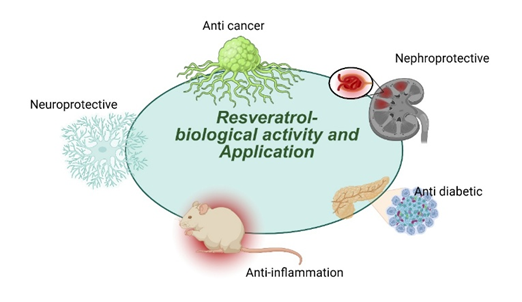
INTRODUCTION
Resveratrol, a highly compelling polyphenolic compound, is present in various plants such as peanuts and grapes [1]. Initially, it was separated from Veratrum grandiflorum, also referred to as white hellebore. Notably, traditional Chinese medicine incorporates resveratrol through extracts derived from Polygonum cuspidatum. Compounds originating from natural products have garnered significant interest from researchers due to their powerful effects on inflammation and oxidative stress [2].
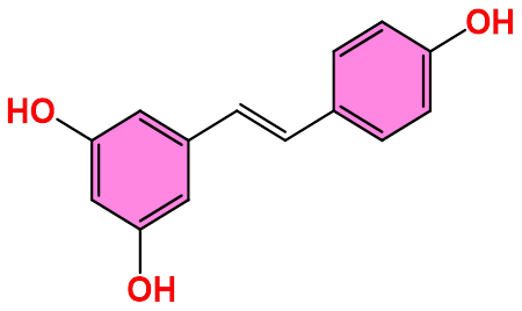
A naturally occurring stilbene and nonflavonoid polyphenol, resveratrol (3,4′,5trihydroxystilbene) (Figure I), exhibits multiple biological functions, such as antioxidant [3], cardioprotective [4][5], antimicrobial [6], anti-inflammatory [7], and anti-cancer activity [8]. Recent investigations have demonstrated its efficiency in increasing insulin sensitivity and regulating blood sugar levels in patients [9], as well as in preventing obesity [10].
Resveratrol also benefits multiple physiological processes, including oxidative stress, inflammation, apoptosis, angiogenesis, and mitochondrial failure. The market sells resveratrol as a dietary supplement due to its wide spectrum of pharmacological benefits [11]. Resveratrol is primarily taken as a dietary supplement, and several experimental models are used to assess its qualities in vitro or in vivo [12]. Its cardioprotective role is partly attributed to the inhibition of platelet aggregation [13]. Furthermore, resveratrol modulates cellular responses to external stimuli and immune responses to infections by regulating the NF-kB signaling pathway. It may also trigger p53 signaling and block the IGF-1R/Akt/Wnt pathways, which could affect malignancies and cellular progression [14][15][16]. Resveratrol has been demonstrated to efficiently cross the blood-brain barrier. It inhibits tumour cell proliferation, induce apoptosis, and modulates important signaling cascades, including PI3K/Akt, JAK/STAT, and NF-kB. Because of its ability to penetrate the central nervous system, it is a promising therapeutic agent for managing malignancies of the central nervous system [17].
Resveratrol also inhibits the PI3K/Akt pathway, which regulates cell development, differentiation, proliferation, and other associated functions [18]. Multiple studies have illuminated how resveratrol influences the PI3K/Akt pathway. In multicellular carcinomas with increased activity of the mTOR/PI3K/Akt axis, for instance, resveratrol was shown to downregulate Akt signaling, suggesting that it could serve as an adjunct treatment with other PI3K/Akt/mTOR inhibitors [19]. Resveratrol’s powerful antioxidant capacities and increased production of nitric oxide (NO) are essential for its cardioprotective benefits [20][21]. Additionally, resveratrol inhibits platelet aggregation and reduces hepatic lipid synthesis [22][23], successfully decreasing the release of reactive oxygen species (ROS) from human polymorphonuclear leukocytes [24]. In relation to vitamin E, it has been suggested to be a more potent antioxidant [25].
Research on resveratrol originated with the French paradox, a concept introduced in 1992, which highlights the unexpectedly low prevalence of heart disease despite diets rich in saturated
fats [26][27]. Since this observation, resveratrol has been extensively investigated, revealing its anti-inflammatory, anti-cancer, antibiotics, anti-angiogenic, and antioxidant characteristics. Among all of these advantages, its effect on oxidative stress is perhaps the most significant. Numerous studies have demonstrated that resveratrol has the potential to
mitigate stress and prevent the progression of various ailments, including cancer, aging, and heart diseases [28][29]. Resveratrol has shown exceptional chemopreventive and chemotherapeutic properties against specific cancer forms [30]. Its effects on longevity and cancer resistance are particularly noteworthy. Due to its anti-inflammatory, anti-mutagenic, and antioxidant properties, resveratrol was discovered to possess cancer chemopreventive effects in 1997 across tests that characterized the three main phases of tumorigenesis [31]. According to a 2003 study by Howitz et al. [32], resveratrol extends the lifespan of Saccharomyces cerevisiae by activating sirtuin deacetylases. Two significant studies in 2006 demonstrated that resveratrol induces physiological changes associated with increased longevity, such as improved motor function, enhanced insulin sensitivity, elevated activity of PGC-1α (peroxisome proliferator-activated receptor gamma coactivator-1 alpha), and improved mitochondrial function [33][34]. Resveratrol enhances the efficacy of chemotherapeutic interventions. Paclitaxel (PTX), a widely utilized chemotherapeutic drug in oncology, often faces diminished anti-tumor activity due to cancer cell resistance. Pre-treatment with resveratrol increases the vulnerability of tumor cells to PTX, thereby improving the efficacy of the therapy [35][30]. Additionally, resveratrol upregulates DUSP1 expression, augmenting the effectiveness of chemotherapy using cisplatin and assisting in the demise of prostatic tumor cells [36]. Resveratrol also shows promise as a therapeutic agent for neurological disorders (NDs). A recent publication explored its potential in mitigating cognitive impairments. The establishment of microtubule-associated proteins tau and amyloid-beta (Aβ) plaque significantly increases the likelihood of developing Alzheimer’s disease (AD. By inhibiting protein tau accumulation, resveratrol markedly reduces cytotoxicity and neuroinflammation, thereby improving memory deficits [37][38][39].
DISCUSSION
Chemistry of Resveratrol
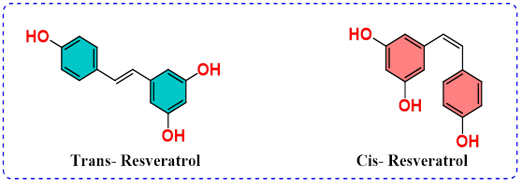
The molecular structure of resveratrol consists of a pair of aromatic rings joined by a methyl bridge. The two isomeric types of resveratrol are trans-resveratrol and cis-resveratrol, which are found naturally, as shown in Figure II. The known biological processes are predominantly exhibited by the trans isomer [40]. Resveratrol’s two phenolic rings are structurally linked by a double bond [41][42]. When exposed to sunlight, ultraviolet (UV) rays, or heat, trans-resveratrol transforms into cis-resveratrol [43][44][45][38–40]. The most active form of resveratrol is the trans-isomer, which is primarily found [46] and boasts larger biological activity [47].
Pharmacokinetics and Pharmacodynamics
Bailey, H.H., et al., studied the pharmacokinetics of resveratrol in a single dose, with or without piperine, as well as the toxicities associated with the drug in healthy volunteers. The researchers conducted a pilot trial that was randomised, double-blind, and three-arm. In this investigation, participants were given a single dose of resveratrol (2.5 g) combined with piperine at concentrations of either 0 mg, 5 mg, or 25 mg. To determine the quantities of resveratrol and resveratrol-glucuronide in the serum, a sophisticated liquid chromatography/mass spectrometry technique was utilised. Serum samples were analyzed from baseline to 24 hours post-dose, and adverse events were tracked for 30 days. A total of 24 participants were enrolled. No significant association was found between piperine dosage and pharmacokinetic parameters. A near-significant trend (P = 0.057) towards augmentation with piperine was observed in a sex-stratified analysis of the Cmax of resveratrol in females using piperine. For resveratrol, the pharmacokinetic values were as follows: the Cmax value was 18.5 ± 16 ng/mL for resveratrol alone, 29 ± 29 ng/mL for resveratrol plus 5 mg piperine, and 16 ± 13 ng/mL for resveratrol plus 25 mg piperine. The area under the concentration × time curve was 1270 ± 852 ng/h/mL for resveratrol alone, 2083 ± 2284 ng/h/mL for resveratrol plus 5 mg piperine, and 1132 ± 222 ng/mL for resveratrol in combination with 25 mg piperine. All participants tolerated their assigned regimen well, experiencing minimal to no adverse effects, with no discernible differences across the three groups. It was not possible to replicate the significant enhancement seen in murine trials by co-administering resveratrol with piperine at doses of 5 mg or 25 mg, as the pharmacokinetics of resveratrol or resveratrol-glucuronide were not significantly altered [48].
Helal, N.I., et al., examined whether the chemical reactions of celecoxib in normal male volunteers were impacted by traditional drug resveratrol, which acts as an adjuvant soothing substance. Twelve healthy individuals enrolled in an open-label, two-period study. Celecoxib was administered orally as a single dose of 200 mg after the participants had fasted during the control period. Resveratrol (500 mg) was subsequently administered orally as a single dose every day for a period of ten days during the treatment phase. During both phases, blood samples were collected, and evaluated by HPLC (high-performance liquid chromatography). The absorption rate constant, maximum concentrations (Cmax), and area under the curve (AUC) for celecoxib were each significantly enhanced with pre-treatment with resveratrol. Its half-life (t1/2) was additionally extended, and its elimination rate constant (ke), apparent body clearance, and volume of distribution were significantly reduced. The time to achieve maximum concentration (Tmax) did not change significantly. The findings indicate that resveratrol and celecoxib had an advantageous pharmacokinetic interaction. Thus, celecoxib, an anti-inflammatory medication, and resveratrol, a herbal supplement, could function in tandem to reduce inflammation and osteoarthritis with minimal side effects [49].
Verma, S., et al., examined the combined hepatoprotective benefits of raspberry ketone and resveratrol in rats exposed to carbon tetrachloride for oxidative stress and non-alcoholic steatohepatitis (NASH), followed by a 2-week treatment period. Significant reductions in elevated plasma markers and lipid profiles indicated that oral administration of the combined raspberry ketone and resveratrol regimen provided significantly greater hepatoprotection compared to individual administration of raspberry ketone or resveratrol. Despite increasing GSH levels in the liver, both types of therapy significantly lowered hepatic lipid peroxidation. Significant elevation of anti-inflammatory genes and enhanced MMP-9 protein expression were observed through RT-PCR and immunoblotting analyses, which served to ameliorate the disease. Pharmacokinetic inquiries showed increased synergistic stability in rat liver microsomes and simulated intestinal fluids (FaSSGF, FaSSIF). In addition, co-administration of raspberry ketone and resveratrol enhanced therapeutic efficacy through improvements in mean residence time (MRT0-∞) (h), the volume of distribution (Vd/F) (L/kg), and comparative bioavailability. These pharmacokinetic and pharmacodynamic results indicate interest in adjuvant therapy for the treatment of steatohepatitis [50].
Nguyen et al. investigated the molecular mechanisms underlying resveratrol’s protective effects against neurodegenerative conditions like depression, amyotrophic lateral sclerosis (ALS), Parkinson’ disease (PD), and cognitive impairment (CI), especially since these illnesses are caused by exposure to a combination of bisphenol A (BPA), bisphenol Sulphide (BPS), and bisphenol F (BPF). The results showed that specific gene targets of resveratrol are responsible for its neuroprotective effects. In addition, the study highlighted the role of microRNAs hsa-miR-377-3p, hsa-miR-1-3p, hsa-miR-128-3p, and hsa-miR-204-5p. Furthermore, transcription factors such as NFE2L2, BACH1, PPARG, and NR4A3 have been shown to be vital in mediating resveratrol’s protective responses against the damaging effects of BPA, BPS, and BPF. In silico analyses were carried out to design and test molecular sponges which might block these miRNAs.
The study further examined the physical and pharmacokinetic features of resveratrol, emphasizing its outstanding similarity to drugs, high gastrointestinal absorption, non-substrate status for P glycoprotein, and blood–brain barrier crossing abilities. These characteristics lend credibility to its therapeutic potential in the treatment of depression, PD, ALS, and CI [51].
The potential importance of resveratrol, a naturally occurring phytochemical, in cancer chemoprevention has been thoroughly studied in preclinical settings. However, its low systemic availability—mainly due to its rapid and extensive metabolism—hinders its beneficial relevance and reduces its ability to target tumors that are far removed from the absorption site. Micronization, an approach that reduces particle size, has been utilized to enhance absorption and bioavailability to address this issue.
In a pilot study, Howells et al. treated patients with colon cancer and hepatic metastases who were scheduled for a liver transplant with 5.0 g of SRT501, a micronized form of resveratrol, each day for 14 days and evaluated SRT501’s pharmacokinetics, pharmacology, and safety. The average plasma resveratrol levels following a single dose were 1,942 ± 1,422 ng/mL, which is almost 3.6 times higher than the levels reported for similar amounts of non-micronized resveratrol. In addition, hepatic tissue contained resveratrol at quantities of up to 2,287 ng/g. Surprisingly, compared to patients receiving a placebo, there was a significant 39% rise in cleaved caspase-3, a hallmark of apoptosis, in malignant tissue from the liver. The results indicate that further clinical studies are needed for assessing SRT501’s potential therapeutic value [52].
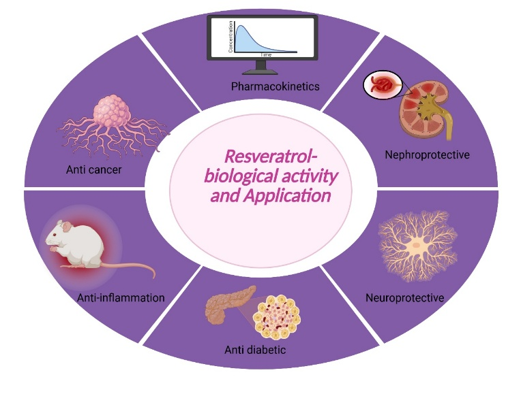
With the goal of targeting hepatocellular carcinoma (HCC), Jagwani et al. developed and optimized cationic liposomes encapsulating resveratrol. The improved formulation, known as RL5, displayed a spherical vesicle size of approximately 145.78 ± 9.9 nm, a favourable zeta potential of 38.03 ± 9.12 mV, and an encapsulation efficiency of 78.14 ± 8.04%. In vitro cytotoxicity assay revealed that RL5 exhibited stronger anticancer effects than free resveratrol. Cellular uptake studies supported this, showing that RL5 absorbed more effectively in HepG2 cells than free resveratrol. After three and five hours of incubation, confocal microscopy further confirmed the liposomes loaded with coumarin 6 (C6) were more readily absorbed as free C6. Pharmacodynamics and pharmacokinetics studies were carried out on rats with HCC induced by N-nitrosodiethylamine (NDEA). Compared to free resveratrol, RL5 treatment Cmax and AUC of revesratrol in cancerous liver tissues by about 2.2 and 3.2 times respectively. Pharmacodynamic investigations showed that animals receiving RL5 exhibited significantly fewer hepatocyte nodules than thos administered free resveratrol. The findings were confirmed by histopathological examinations, demonstrating that RL5 effectively reversed liver damage triggered by NDEA. Based on the study’s results, cationic liposomes loaded with resveratrol significantly reduce the severity in HCC and indicate potential as a nanocarrier system for managing the condition [53]..The pharmacological activities and therapeutic potentials of Resveratrol is summarized in Figure III.
Pharmaceutical Applications of Resveratrol
(i) Resveratrol for the Treatment and Prevention of Cancer
Cancer continues to pose a major global health concern, causing more than half of global deaths. Approximately 20 million new cases of the illness were diagnosed in 2022, and 9.7 million individuals lost their lives to the disease. This underlines the urgency with which additional studies, early detection, and effective treatment plans are required to combat this prevalent illness [54]. This approach aims to lower the risk of cancer by acting before a clinically recognized tumor manifests. The potential of natural and synthetic substances, or their combined use in chemoprevention methods, is being explored. For instance, the application of natural compounds together with conventional chemotherapy drugs has significantly boosted patient survival by raising the susceptibility of cancer cells to radiation and chemotherapy [55]. The potential cancer-prevention advantages of resveratrol are found in various fruits and vegetables and have become the focus of numerous studies. Research conducted in laboratories indicates that resveratrol might prevent the development of various cancer cell lines and could interfere with the initiation, advancement, and progression of cancer.
Resveratrol belongs to a group of substances termed stilbenes, which have demonstrated anticancer properties in both animal and human cell culture studies. These compounds appear to function by inhibiting angiogenesis, activating apoptosis (programmed cell death), and altering inflammatory pathways. While the findings are promising, it’s crucial to keep in mind that preclinical studies provide almost all of the data. The effectiveness and safety of resveratrol and related stilbenes in
preventing and treating cancer in humans need to be further studied, especially through well-planned clinical trials [54]. With 1.8 million new instances diagnosed every year, colon cancer is the third most prevalent illness globally. Benign polyps in the lining of the intestines or rectum tend to trigger the disease, but they may accumulate genetic changes over time. These polyps have potential to develop into malignant adenomatous polyps if they are not discovered and removed promptly. The development of colorectal cancer is greatly influenced by a variety of environmental and lifestyle factors, such dietary habits, alcohol consumption, tobacco use, and physical inactivity. The impact of these modifying variables on the disease’s incidence is being highlighted in numerous studies [56][57].
A nutritious diet is crucial in preventing cancer along with other chronic diseases. The health benefits of a Mediterranean diet, in particular, have been extensively studied. This dietary pattern emphasizes eating foods made from plants, healthy fats, and soothing components to avoid illness [58]. Resveratrol has been studied for its potential anticancer properties, particularly its ability to induce apoptosis in human colon cancer cells. Studies demonstrate that chromatin condensation and the formation of apoptotic bodies are the two mechanisms through which resveratrol may trigger programmed cell death in SNU-C4 intestinal cancer cells [59]. Chromatin condensation and the formation of apoptotic bodies were observed when resveratrol was administered at a concentration of 100 μg/mL, indicating apoptosis in colon cancer cell line (SNU-C4). Compared to untreated control cells, this apoptotic effect is associated with an increase in pro-apoptotic proteins Bax and caspase-3, along with a decrease in the production of the anti-apoptotic gene Bcl-2 [59]. In animal models, researchers investigated the potential of a resveratrol-rich diet, such as red wine, pomegranate, white grapes, and rosemary, for preventing colon cancer. These natural extracts contain polyphenols, particularly resveratrol, which have been proven to possess anti-inflammatory, anti-oxidant, and anticancer properties. Studies indicate that these compounds could prevent the development of cancerous lesions and slow the growth of tumours by altering significant bodily functions such as inflammation and cell proliferation. In addition, resveratrol has shown beneficial synergies in suppressing colon tumor stem cells when paired with other grape-derived compounds [60].
The findings indicated that the number of mucin-depleted foci (MDF) per colon in rates was dramatically decreased when dry wine, pomegranate extracts, and α-tocopherol (a form of vitamin E) were introduced to preserved meat. MDF is believed to be an initial indicator of colon cancerous changes. This suggests that introducing these specific extracts to cooked meats might mitigate some of the cancer risks associated with their consumption [60].
Researchers are investigating how red wine extracts prevent colon cancer cells from proliferating in vitro and inhibit the formation of colonic aberrant crypt foci (ACF) in vivo. Findings indicate that extracts from vinification processes exhibit enhanced anti-proliferative actions against colon cancer cells and can effectively stop ACF. According to these findings, the polyphenolic content and the way these substances alter cellular metabolism may all be important factors in how well red wine extracts prevent colon cancer [61].
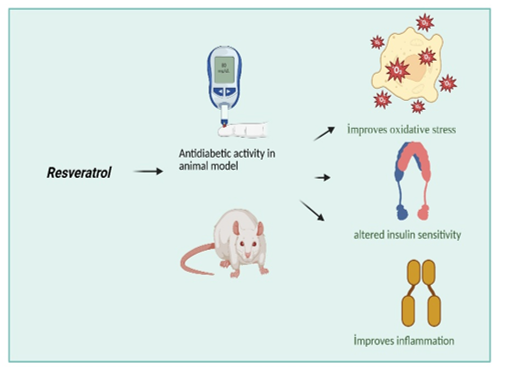
(ii) Resveratrol for the Treatment and Prevention of Diabetes Elevated blood glucose levels caused by impaired insulin secretion, action, or both characterize diabetes mellitus, a metabolic condition. A number of pharmacological and alternative treatments are being utilized with the goal of improving pancreatic insulin production and enhancing insulin sensitivity. Resveratrol has been demonstrated in numerous investigations on humans and in animal models to improve insulin sensitivity, reduce oxidative damage, and alter inflammatory pathways associated with diabetes (Figure IV). Regulation of adipokines, hormones released by fat cells that affect insulin sensitivity, is another indication that resveratrol exerts anti-diabetic advantages. Resveratrol could enhance peripheral tissues’ absorption of glucose and insulin responsiveness by modulating adipokine levels. In addition, clinical studies have shown that resveratrol supplementation boosts hemoglobin A1c readings among individuals with type 2 diabetes and improves glycemic control, including reductions in fasting blood sugar and insulin levels [62].
The effect of resveratrol on diabetic peripheral neuropathy (DPN) was investigated in a study by Osmanlıoğlu and Nazıroğlu, focusing particularly on the functioning of the transient receptor potential vanilloid 4 (TRPV4) channel. This calcium-permeable channel allows excessive Ca2+ influx. The capacity of resveratrol, a substance renowned for its antioxidant properties, to alter TRP channels has been studied. Four groups of mice were utilized in this study: control,streptozotocin (STZ)-induced diabetic, resveratrol-treated, and STZ+ resveratrol-treated. Increased TRPV4 activity, enhanced Ca2+ influx, increased production of reactive oxygen species (ROS), heightened physical and thermal pain sensitivity, and elevated apoptosis levels were all observed in the STZ-induced diabetic rats., Resveratrol treatment reduced these effects by reducing ROS levels, apoptotic marker expression, Ca2+ influx, and TRPV4 activity. Additionally, RESV bolstered antioxidant defences by increasing the levels of glutathione, glutathione peroxidase, vitamin A, β-carotene, and vitamin E in the brain, liver, and kidneys, among other tissues. The findings indicate that resveratrol reduces apoptosis and oxidative stress by modulating TRPV4 channel operation, resulting in neuroprotective properties in diabetic peripheral neuropathy. This research demonstrates the potential of resveratrol as an adjunct treatment for DPN [63].
Ferroptosis and the potential medicinal properties of resveratrol were the primary subjects of a study by Li et al. that investigated the mechanisms underlying alveolar osteocyte death in diabetic periodontitis. Male C57BL/6 mice were given either resveratrol or no treatment after developing diabetic periodontitis. Histological analysis and micro-CT imaging was utilized to investigate the progession of periodontitis, and immunohistochemistry was employed to identify ferroptosis in alveolar osteocytes. The results showed that diabetic periodontitis exacerbated the severity of the disease and inhibited alveolar osteocytes from producing two essential antioxidant proteins, GPX4 and SLC7A11. Resveratrol treatment reduced these effects. Resveratrol or the ferroptosis inhibitor ferrostatin-1 reversed the downregulation of these essential antioxidant proteins, reduced malondialdehyde (MDA) levels, restored mitochondrial morphology, and decreased pro-inflammatory mediators, in accordance with in vitro experiments using MLOY4 osteocyte cells that imitated diabetic periodontitis conditions. Additionally, the demonstrated that resveratrol and ferrostatin-1 were able to halt the activation of the NF-κB signaling pathway by downregulating pIKBα and pNF-κB p65 expression in osteocytes. Based to these results, resveratrol can be considered a potential therapeutic agent for slowing the degeneration of alveolar bone caused by diabetes periodontitis [64].
(iii) Resveratrol’s Role in Neuroprotection
Significant neuroprotective advantages associated with resveratrol have been observed in both hemorrhagic stroke and ischemic stroke (IS). Resveratrol could decrease atherosclerosis, an established risk factor for IS, by inhibiting the aggregation and activation of platelets mediated by thrombin, collagen, and adenosine diphosphate. The mechanism of action involves either the production of prothrombotic chemicals or the downregulation of tissue factor gene expression. Common consequences of cerebral infarction are cerebral edema and intracranial hypertension, both of which may prove lethal. In experimental animal models, many therapeutic approaches have been established to reduce cerebral edema; some of these have progressed to human trials. Resveratrol, in particular, has demonstrated edema-reducing qualities. Although its hydrophobic nature inhibits penetration across the blood- brain barrier (BBB), resveratrol can be administered via the nasal cavity in the olfactory region, offering a more patient-friendly delivery method. By binding to various enzymes and receptors, resveratrol enhances stress resistance and reduces apoptosis, along with other complex effects on stroke. In addition to apoptosis, other biological processes that lead to damage in the brain and neurons following a stroke include inflammation, oxidative damage, and ionic imbalance [65][66][67][68][69].
Oztak, L., and B.G. Bağca et al. investigated whether the antioxidant resveratrol impacted the levels of metalloproteases and the PI3K/Akt/GSK-3β pathway in a cell-based model of Alzheimer’s disease (AD). For each experimental group, in silico analysis was also carried out using the STRING V12.0 database. Apoptosis data revealed that the Differentiated + Resveratrol and resveratrol groups exhibited a 1.5-fold and 2.5-fold decrease in comparison to the control, respectively, even though there were no appreciable changes between the resveratrol and AD model groups. Upon analysing the Real-Time PCR results, it was observed that the levels of gene expression for GSK-3β, TAU, ADAMTS-4, ADAMTS-5, and TIMP-3 were significantly reduced in the Differentiated + β-amyloid (Aβ) + resveratrol group when compared to the Differentiated + Aβ group (p <. 0.001). On the other hand, the levels of PI3K (3.38-fold), AKT (3.95-fold), and RELN (1.99-fold) were significantly elevated (p <.0. 001). Twenty-three Alzheimer-related Gene Ontology (GO) phrases linked to the Wnt signaling, proteolysis, and extracellular matrix structure pathways showed functional enrichment through network analysis. In a neurotoxicity environment, resveratrol was founded to stimulate the PI3K/Akt insulin pathway, which inhibits GSK-3β. Resveratrol showed neuroprotective effects via inhibition of TAU, RELN, metalloproteases, all of which have been linked to Alzheimer’s desease [70].
In an in vivo rat model, rats were given subcutaneous injections of 50 mg/kg MnCl2 over 4 weeks, either alone or in combination with 30 mg/kg resveratrol. Latronico, T., et al. investigated the role of matrix metalloproteinase (MMP)-2 and -9 in Mn-induced neurotoxicity. Resveratrol mitigated the Mn-induced reduction in superoxide dismutase activity and glutathione levels, while additionally lowering the Mn-induced rise in MMP-9 levels and the production of reactive oxygen species, based on analysis of brain homogenates. Ultimately, Mn exposure induces an increase in MMP-9 through oxidative stress-related processes, which elevates the risk of central nervous system diseases. Resveratrol successfully reduces this risk [71].
The neuroprotective effects of resveratrol, urapidil, and their combined administration have been investigated by Çetin, R., et al. in a rat model of ischemia/reperfusion (IR) injury resulting from middle cerebral artery occlusion (MCAO). Significant histological modifications, increased oxidative stress, and enhanced apoptotic and inflammatory protein expression in the IR group compared with the control group (p < 0.001) indicate that the MCAO model effectively produced IR injury. All assessed parameters indicated significant improvements in the IR resveratrol group as compared to the IR group (all p < 0.05). With the possible exception of caspase-3 and Bcl-2, all metrics in the IR urapidil group were significantly better as compared to the IR group (all p < 0.05). When contrasted with the IR group, the IR combination of resveratrol and urapidil group exhibited the most significant improvements in all metrics (all p < 0.001) [72].
(iv) Resveratrol Role in Nephroprotective
Abdallah, A., et al. investigated whether resveratrol repaired renal tissues in Wistar rats with kidney damage from 2,3,7,8-tetrachlorodibenzo-p-dioxin (TCDD).102 male albino rats, weighing 80–90 g and 8–9 weeks of age, participated in the study. Of these, 70 rats were tested for chronic toxicity, and 32 rats were used for evaluating acute toxicity. All the rats were divided into seven groups and received resveratrol at different dose levels. Analysis demonstrated that TCDD-treated groups had significantly higher levels of malondialdehyde (MDA), urea, and creatinine compared to the other groups, but glutathione (GSH) and catalase (CAT) levels were lower. In contrast, the resveratrol-treated group exhibited decreases in MDA, urea, and creatinine, along with greater amounts of GSH and CAT. Resveratrol administration successfully lowered oxidative stress markers and TCDD-induced histological changes [73].
Golestaneh, E., et al., examined the therapeutic effects of silymarin (SM) and resveratrol on the morphological damage to renal tubular cells in adult male Wistar rats with diabetes. Twenty-five male Wistar rats were randomly assigned to five groups (n = 5): Group I (control), where rats received normal saline orally for 14 days; Group II, where rats received a single intraperitoneal injection of streptozotocin (STZ) at 60 mg/kg and were administered isotonic saline orally for 14 days; Group III, where rats, post-STZ injection, received 100 mg/kg SM via gavage for 14 days; Group IV, treated with 100 mg/kg resveratrol; and Group V, treated with SM and resveratrol at 100 mg/kg. Following sacrifice, kidneys were extracted and prepared for morphological analysis. The level of renal tubular cell damage, including vacuolization, flattening, degeneration, and necrosis, was assessed. There were significant differences between the groups in the terms of morphological damage; renal tubular damage in diabetic rats decreased significantly by both SM and resveratrol (P < 0.05). According to the statistics, both SM and resveratrol independently had greater nephroprotective effects against renal tubular cell injury in diabetic rats than when administered together, although SM had a more pronounced protective effect on necrosis and resveratrol on flattening [74].
| Drug | Animals | Dose | Application | Mechanism of Action | References |
| Resveratrol | Rats | 20 mg/kg/day, i.p, 28 days | Neuroinflammation | Acts on the SIRT1/NF-κB pathway and improves neuroinflammation. | [91] |
| Resveratrol | Rats | 10 mg/kg | Anti-inflammatory effect | Reduces IL-1β, TNF-α, and IL-6 expression levels and improves the JNK/p38MAPK pathway. | [92] |
| Liposomal resveratrol | Rats | 40 mg/kg | Cardioprotective effects | Improves apoptosis (caspase, Bcl2, and Bax). | [93] |
| Resveratrol | Rats | 20, 40 mg/kg i.p | Life stress-induced depression in rats | Reverses cortisol release, monoamine levels, and oxidative stress. | [94] |
| Resveratrol | Rats | 25, 50 and 100mg/kg b.w. | NSAID-induced intestinal injury | Improves TLR4/NF-κB/IκB protein expression and gut microbiota. | [95] |
| Trans-resveratrol | Rats | 30 mg/Kg | Obesity | Elevates SIRT-1/PGC-1α/Cyto-c/GLUT-4 genes and modulates carbohydrate-lipid metabolism. | [96] |
| Exercise training and resveratrol | Rats | 50 mg/kg, once daily | Lung injury and mortality in rats with obstructive jaundice | Decreases TNF-α and IL-6 levels and macrophage accumulation in lung tissues. | [97] |
| Resveratrol | Rats | 20 mg/kg | Anti-oxidative stress and anti-ferroptotic effects | Elevates FTH1, GPX4, and SLC7A11(ferroptosis resistance-related proteins) and Nrf2, NQO1, and HO-1 (anti-oxidative stress pathway). | [98] |
| Resveratrol | – | 8 mg/kg | Colorectal cancer | Targets the JNK pathway and improves oxidative DNA damage. | [99] |
| Resveratrol | – | 50 mg/kg by gavage; | Exercise-induced fatigue | Elevates the SIRT1/PGC-1α pathway. | [100] |
| Resveratrol | Rats | 20 mg/kg, oral gavage | Hepatotoxicity | Increases hepatic parameters IL-6 and MDA. | [101] |
| Resveratrol | Rats | – | Diabetic hearts | Reduces the gene expression of GLUT4/SIRT1/PGC-1α in heart tissue. | [102] |
| Resveratrol | Mice | – | Post-transplantation alterations of inflammatory mediators | Reduces systemic inflammation, NOD-like receptor signaling pathway, and granulocyte implantation. | [103] |
| Resveratrol | Mice | Intraperitoneally injected 100mg/kg | Postoperative cognitive dysfunction | Improves the expression of SIRT1/CX3CL1/CX3CR1. | [104] |
| Resveratrol and hesperidin | Rat | 20 mg/kg, p.o. | Neuroprotective effects | Restores brain anti-oxidant status, reduces neuro-inflammation, and improves brain mitochondrial impairments. | [105] |
| Resveratrol and naringenin | Rats | – | Nonylphenol-induced oxidatives stress | Improves the content of SOD, CAT, GPx, GSH, and LPO | [106] |
(v) The Anti-Inflammatory Activity of Resveratrol
Numerous cell types and communication mediators play a role in the complex, multi-stage process that consitutes the response to inflammation. Inflammation is an adaptive mechanism activated by a variety of danger signals, such as tissue damage or microbial invasion [75][76].
(vi) Mechanism of Action of Resveratrol in Inflammation
Resveratrol can modify apoptosis by altering the expression of essential genes such as PUMA, p53, NoxaBak, and Bcl-XL, which are involved in cellular processes through both downregulation and upregulation mechanisms. By regulating nuclear factor-kappa β (NF-κβ) activity, cyclooxygenase-2 function, and prostaglandin synthesis, resveratrol limits cellular proliferation at the G1 and G1/S phases, functioning as a medication for inflammation [77][78]. Moreover, extensive studies have been carried out on its ability to prevent tumor progression, delay the onset of cardiovascular diseases, and exhibit antiviral properties [79]. Trans-resveratrol’s anti-inflammatory, antiproliferative, and antioxidant properties are believed to contribute to its major therapeutic advantages [80]. Resveratrol is known to decrease cytosolic peroxide and superoxide radical production in skin fibroblasts in vitro, constrain platelet activation, and halt low-density lipoprotein oxidation [81]. Activation of quinone reductase 2 is linked to its chemopreventive actions via the augmentation of detoxifying enzymes and antioxidants within cells, which increases resistance to a condition known as oxidative stress [82]. The mechanism that provides resveratrol its anti-inflammatory action is its ability to inhibit cyclooxygenase-1 in vitro and cyclooxygenase-2 in murine skin models [83]. Resveratrol’s antioxidant properties could stem from its suppression of oxidative enzymes or its capacity to scavenge superoxide and peroxide radicals [84]. Trans-resveratrol has been shown to be an even stronger radical scavenger, and its synergistic benefits increase when coupled with other vitamins [85]. The increase of reactive oxygen species in the skin contributes to various dermatological diseases, including cancer [85].
The cause of cutaneous diseases is greatly impacted by prolonged exposure to ultraviolet (UV) rays, which can damage DNA. The use of medicines to prevent, combat, or mitigate the impact of UV radiation on the human body is known as chemoprevention [86]. Along with chromosomal modifications and mutations, surviving, a vital regulator of cell life and death and a member of the apoptosis regulator gene family, plays a critical role in the formation of cancer cells induced by sunlight [11][87]. By regulating the synthesis and activity of survivin, resveratrol could offer protection against UVB-induced severe skin damage and potential carcinogenic growth [88]. In addition, resveratrol may be utilized as a complementary therapy for melanoma [89]. It enhances temozolomide’s cytotoxicity against malignant cells while reducing the lifespan of melanoma cells. Resveratrol also inhibits antioxidant factor 1, making melanoma cells more susceptible to radiation therapy [90].
The pharmaceutical applications of the resveratrol are shown in Table I.
CONCLUSION
Resveratrol has evolved as a versatile bioactive molecule with immense pharmacological potential in a variety of diseases, including cardiovascular diseases, neurodegenerative diseases, cancer, and metabolic syndromes. Its applications stem from its capacity to regulate various molecular mechanisms, including SIRT1 activation, AMPK signaling, and NF-κB inhibition. Furthermore, resveratrol’s function as a biomarker adds additional clinical values, as it can reflect disease status, treatment response, and interindividual differences in response to treatment. However, due to its poor bioavailability, rapid metabolism, and inter-individual variability in humans, its clinical translation is still limited.
These limitations could be circumvented by developing new delivery systems, such as nanoformulations, prodrugs, and encapsulated formulation, which could increase the stability and systemic availability of resveratrol. Furthermore, well-designed clinical trials are important for more clearly confirming resveratrol’s usefulness and safety in different populations and disease states. Enhancement of therapeutic responses can also be achieved by combining resveratrol with other bioactives or classic drugs. With the development of precision medicine, the use of resveratrol as a biomarker could significantly change personalized treatments, providing a new paradigm in clinical practice. In the future, as a result of further interdisciplinary studies, resveratrol will hopefully rise above being merely an encouraging phytochemical to become an indispensable drug in clinical therapy.
ACKNOWLEDGEMENT
We are also thankful to the SHUATS, Prayagraj for their continuous support and motivation.
CONFLICT OF INTEREST
The authors declare no conflict of interest.
REFERENCE
- Costa CE, Romaní A DL. Overview of resveratrol properties, applications, and advances in microbial precision fermentation. Crit Rev Biotechnol. 2025;45(4):788–804. https://doi.org/10.1080/07388551.2024.2424362
- Shrestha A, Pandey RP, Sohng JK. Biosynthesis of resveratrol and piceatannol in engineered microbial strains: achievements and perspectives. Appl. Microbiol. Biotechnol. 2019. 103(7):2959-2972. https://doi.org/10.1007/s00253-019-09672-8
- Truong VL, Jun M, Jeong WS. Role of resveratrol in regulation of cellular defense systems against oxidative stress. BioFactors. 2018. 44(1):36-49. https://doi.org/10.1002/biof.1399
- Gowd V, Kanika, Jori C, Chaudhary AA, Rudayni HA, Rashid S, et al. Resveratrol and resveratrol nano-delivery systems in the treatment of inflammatory bowel disease. J. Nutr. Biochem. 2022. 109:109101. https://doi.org/10.1016/j.jnutbio.2022.109101
- Bonnefont-Rousselot D. Resveratrol and cardiovascular diseases. Nutrients. 2016. 2;8(5):250. https://doi.org/10.3390/nu8050250
- Mattio LM, Dallavalle S, Musso L, Filardi R, Franzetti L, Pellegrino L, et al. Antimicrobial activity of resveratrol-derived monomers and dimers against foodborne pathogens. Sci Rep. 2019; 9: 19525. https://doi.org/10.1038/s41598-019-55975-1
- Nunes S, Danesi F, Del Rio D, Silva P. Resveratrol and inflammatory bowel disease: The evidence so far. Nutr Res Rev. 2018;31(1):85-97. https://doi.org/10.1017/s095442241700021x
- Ko JH, Sethi G, Um JY, Shanmugam MK, Arfuso F, Kumar AP, et al. The role of resveratrol in cancer therapy. Int. J. Mol. Sci. 2017. 1;18(12):2589. https://doi.org/10.3390/ijms18122589
- Timmers S, Konings E, Bilet L, Houtkooper RH, Van De Weijer T, Goossens GH, et al. Calorie restriction-like effects of 30 days of resveratrol supplementation on energy metabolism and metabolic profile in obese humans. Cell Metab. 2011; 2;14(5):612-22. https://doi.org/10.1016/j.cmet.2011.10.002
- Dzah CS, Asante-Donyinah D, Letsyo E, Dzikunoo J, Adams ZS. Dietary Polyphenols and Obesity: A Review of Polyphenol Effects on Lipid and Glucose Metabolism, Mitochondrial Homeostasis, and Starch Digestibility and Absorption. Plant Foods Hum. Nutr. 2023.78(1):1-12. https://doi.org/10.1007/s11130-022-01034-6
- Bohara RA, Tabassum N, Singh MP, Gigli G, Ragusa A, Leporatti S. Recent Overview of Resveratrol’s Beneficial Effects and Its Nano-Delivery Systems. Molecules. 2022. 12;27(16):5154. https://doi.org/10.3390/molecules27165154
- Bejenaru LE, Biţă A, Belu I, Segneanu A-E, Radu A, Dumitru A, Ciocîlteu MV, Mogoşanu GD BC. Resveratrol: A Review on the Biological Activity and Applications. Appl Sci. 2024;14:4534. 14(11):4534. https://doi.org/10.3390/app14114534
- Liu Q, Li S, Zhang Y, Zhang H, Xiao H, Tian T, et al. Total phenolic, resveratrol content, antioxidant and antimicrobial activity in five cultivars of peanut sprouts. Am J Biochem Biotechnol. 2020; 27(5):1275-1284. https://doi.org/10.3844/ajbbsp.2020.51.59
- Kundu JK, Shin YK, Kim SH, Surh YJ. Resveratrol inhibits phorbol ester-induced expression of COX-2 and activation of NF-κB in mouse skin by blocking IκB kinase activity. Carcinogenesis. 2006; 27(7):1465-74. https://doi.org/10.1093/carcin/bgi349
- Feng L, Zhang L. Resveratrol Suppresses Aβ-Induced Microglial Activation Through the TXNIP/TRX/NLRP3 Signaling Pathway. DNA Cell Biol. 2019; 16;13:845185. https://doi.org/10.1089/dna.2018.4308
- Vanamala J, Reddivari L, Radhakrishnan S, Tarver C. Resveratrol suppresses IGF-1 induced human colon cancer cell proliferation and elevates apoptosis via suppression of IGF-1R/Wnt and activation of p53 signaling pathways. BMC Cancer. 2010; 26(10): 238. https://doi.org/10.1186/1471-2407-10-238
- Nowacka A, Śniegocka M, Smuczyński W, Liss S, Ziółkowska E, Bożiłow D, Śniegocki M WM. The Potential Application of Resveratrol and Its Derivatives in Central Nervous System Tumors. Int J Mol Sci ; . 2024;25(24):13338. https://doi.org/10.3390/ijms252413338
- Park EJ, Pezzuto JM. The pharmacology of resveratrol in animals and humans. Biochim Biophys Acta – Mol Basis Dis. 2015; 1852(6):1071-113. https://doi.org/10.1016/j.bbadis.2015.01.014
- Alayev A, Berger SM, Kramer MY, Schwartz NS, Holz MK. The Combination of Rapamycin and Resveratrol Blocks Autophagy and Induces Apoptosis in Breast Cancer Cells. J Cell Biochem. 2015; 116(3):450-7. https://doi.org/10.1002/jcb.24997
- Farkhondeh T, Folgado SL, Pourbagher-Shahri AM, Ashrafizadeh M, Samarghandian S. The therapeutic effect of resveratrol: Focusing on the Nrf2 signaling pathway. Biomed. Pharmacother. 2020. 127:110234. https://doi.org/10.1016/j.biopha.2020.110234
- Banez MJ, Geluz MI, Chandra A, Hamdan T, Biswas OS, Bryan NS, et al. A systemic review on the antioxidant and anti-inflammatory effects of resveratrol, curcumin, and dietary nitric oxide supplementation on human cardiovascular health. Nutr. Res. 2020. 78:11-26. https://doi.org/10.1016/j.nutres.2020.03.002
- Arichi H, Kimura Y, Okuda H, Baba K, Kozawa M, Arichi S. Effects of Stilbene Components of the Roots of Polygonum cuspidatum Sieb, et Zucc. on Lipid Metabolism. Chem Pharm Bull. 1982; 30(5):1766-70. https://doi.org/10.1248/cpb.30.1766
- Torres CM, Camacho JDH, Rodríguez ABC, Fang L, Thanh TB, Rodríguez-Bies E, et al. Resveratrol regulates the expression of genes involved in CoQ synthesis in liver in mice fed with high fat diet. Antioxidants. 2020; 15;9(5):431. https://doi.org/10.3390/antiox9050431
- Rotondo S, Rajtar G, Manarini S, Celardo A, Rotilio D, De Gaetano G, et al. Effect of trans-resveratrol, a natural polyphenolic compound, on human polymorphonuclear leukocyte function. Br J Pharmacol. 1998; 123(8):1691-9. https://doi.org/10.1038/sj.bjp.0701784
- Balboa E, Saavedra F, Cea LA, Ramírez V, Escamilla R, Vargas AA, et al. Vitamin e blocks connexin hemichannels and prevents deleterious effects of glucocorticoid treatment on skeletal muscles. Int J Mol Sci. 2020; 8;21(11):4094. https://doi.org/10.3390/ijms21114094
- Catalgol B, Batirel S, Taga Y, Ozer NK. Resveratrol: French paradox revisited. Front. Pharmacol. 2012;3:141. https://doi.org/10.3389/fphar.2012.00141
- Renaud S, de Lorgeril M. Wine, alcohol, platelets, and the French paradox for coronary heart disease. Lancet. 1992; 339(8808):1523-6. https://doi.org/10.1016/0140-6736(92)91277-f
- Berman AY, Motechin RA, Wiesenfeld MY, Holz MK. The therapeutic potential of resveratrol: a review of clinical trials. npj Precis Oncol. 2017; 1:35. https://doi.org/10.1038/s41698-017-0038-6
- Novelle MG, Wahl D, Diéguez C, Bernier M, De Cabo R. Resveratrol supplementation: Where are we now and where should we go? Ageing Res. Rev. 2015. 21:1-15. https://doi.org/10.1016/j.arr.2015.01.002
- Sharifi-Rad J, Quispe C, Mukazhanova Z, Knut E, Turgumbayeva A, Kipchakbayeva A, et al. Resveratrol-Based Nanoformulations as an Emerging Therapeutic Strategy for Cancer. Front. Mol. Biosci. 2021. 1;8:649395. https://doi.org/10.3389/fmolb.2021.649395
- Jang M, Cai L, Udeani GO, Slowing K V., Thomas CF, Beecher CWW, et al. Cancer chemopreventive activity of resveratrol, a natural product derived from grapes. Science (80- ). 1997; 10;275(5297):218-20. https://doi.org/10.1126/science.275.5297.218
- Howitz KT, Bitterman KJ, Cohen HY, Lamming DW, Lavu S, Wood JG, et al. Small molecule activators of sirtuins extend Saccharomyces cerevisiae lifespan. Nature. 2003; 425(6954):191-6. https://doi.org/10.1038/nature01960
- Lagouge M, Argmann C, Gerhart-Hines Z, Meziane H, Lerin C, Daussin F, et al. Resveratrol Improves Mitochondrial Function and Protects against Metabolic Disease by Activating SIRT1 and PGC-1α. Cell. 2006;15;127(6):1109-22. https://doi.org/10.1016/j.cell.2006.11.013
- Baur JA, Pearson KJ, Price NL, Jamieson HA, Lerin C, Kalra A, et al. Resveratrol improves health and survival of mice on a high-calorie diet. Nature. 2006; 444(7117):337-42. https://doi.org/10.1038/nature05354
- Ying-Jie K, Ling-Wei C, Min Z, Jia-Ping G, Ying W, Dan Z, et al. Resveratrol enhances chemosensitivity of renal cell carcinoma to paclitaxel. Front Biosci – Landmark. 2019; 24(8):1452-1461. https://doi.org/10.31083/fbl37283
- Martínez-Martínez D, Soto A, Gil-Araujo B, Gallego B, Chiloeches A, Lasa M. Resveratrol promotes apoptosis through the induction of dual specificity phosphatase 1 and sensitizes prostate cancer cells to cisplatin. Food Chem Toxicol. 2019; 124:273-279. https://doi.org/10.1016/j.fct.2018.12.014
- Means JC, Lopez AA, Koulen P. Resveratrol Protects Optic Nerve Head Astrocytes from Oxidative Stress-Induced Cell Death by Preventing Caspase-3 Activation, Tau Dephosphorylation at Ser422 and Formation of Misfolded Protein Aggregates. Cell Mol Neurobiol. 2020; 40(6):911-926. https://doi.org/10.1007/s10571-019-00781-6
- Sun X-Y, Dong Q-X, Zhu J, Sun X, Zhang L-F, Qiu M, et al. Resveratrol Rescues Tau-Induced Cognitive Deficits and Neuropathology in a Mouse Model of Tauopathy. Curr Alzheimer Res. 2019; 16(8):710-722. https://doi.org/10.2174/1567205016666190801153751
- Chen Y, Shi GW, Liang ZM, Sheng SY, Shi YS, Peng L, et al. Resveratrol improves cognition and decreases amyloid plaque formation in Tg6799 mice. Mol Med Rep. 2019; 19(5):3783-3790. https://doi.org/10.3892/mmr.2019.10010
- Wang F, Chatterjee S. Dominant Carbons in trans- and cis-Resveratrol Isomerization. J Phys Chem B. 2017; 121(18):4745-4755. https://doi.org/10.1021/acs.jpcb.7b02115
- Abstracts of the 17th International Symposium on Bioluminescence and Chemiluminescence ‐ (ISBC 2012). Luminescence. 2012; https://doi.org/10.1002/bio.2341
- Catalogna G, Moraca F, D’Antona L, Dattilo V, Perrotti G, Lupia A, et al. Review about the multi-target profile of resveratrol and its implication in the SGK1 inhibition. Eur J Med Chem. 2019; 183:111675. https://doi.org/10.1016/j.ejmech.2019.111675
- López-Hernández J, Paseiro-Losada P, Sanches-Silva AT, Lage-Yusty MA. Study of the changes of trans-resveratrol caused by ultraviolet light and determination of trans- and cis-resveratrol in Spanish white wines. Eur Food Res Technol. 2007; 5-6, 789-796. https://doi.org/10.1007/s00217-006-0483-x
- Moretón-Lamas E, Lago-Crespo M, Lage-Yusty MA, López-Hernández J. Comparison of methods for analysis of resveratrol in dietary vegetable supplements. Food Chem. 2017; 224:219-223. https://doi.org/10.1016/j.foodchem.2016.12.060
- Nour V, Trandafir I, Muntean C. Ultraviolet irradiation of trans-resveratrol and HPLC determination of trans-resveratrol and cis-resveratrol in romanian red wines. J Chromatogr Sci. 2012; 50(10):920-7. https://doi.org/10.1093/chromsci/bms091
- Saldanha JF, Leal VDO, Stenvinkel P, Carraro-Eduardo JC, Mafra D. Resveratrol: Why is it a promising therapy for chronic kidney disease patients? Oxid. Med. Cell. Longev. 2013. 963217. https://doi.org/10.1155/2013/963217
- Chedea VS, Vicaş SI, Sticozzi C, Pessina F, Frosini M, Maioli E, et al. Resveratrol: From diet to topical usage. Food Funct. 2017; 8(11):3879-3892. https://doi.org/10.1039/c7fo01086a
- Bailey HH, Johnson JJ, Lozar T, Scarlett CO, Wollmer BW, Kim KM, et al. A randomized, double-blind, dose-ranging, pilot trial of piperine with resveratrol on the effects on serum levels of resveratrol. Eur J Cancer Prev. 2021; 30(3):285-290. https://doi.org/10.1097/cej.0000000000000621
- Helal NI, El-Khodary NM, Omran GA, El-Masry SM. Effects of Resveratrol Co-Administration on Celecoxib Disposition and Pharmacokinetics in Healthy Volunteers. Drug Res (Stuttg). 2023; 73(9):520-527. https://doi.org/10.1055/a-2160-2186
- Verma S, Goand UK, Rathaur S, Garg R, Katekar R, Gayen JR. The combined effect of Raspberry Ketone with Resveratrol against oxidative stress and steatohepatitis in rats: Pharmacokinetic and pharmacodynamic studies. J Biochem Mol Toxicol. 2023; 37(6):e23336. https://doi.org/10.1002/jbt.23336
- Nguyen HD. Resveratrol, Endocrine Disrupting Chemicals, Neurodegenerative Diseases and Depression: Genes, Transcription Factors, microRNAs, and Sponges Involved. Neurochem Res. 2023; 48(2):604-624. https://doi.org/10.1007/s11064-022-03787-7
- Howells LM, Berry DP, Elliott PJ, Jacobson EW, Hoffmann E, Hegarty B, et al. Phase I randomized, double-blind pilot study of micronized resveratrol (SRT501) in patients with hepatic metastases – Safety, pharmacokinetics, and pharmacodynamics. Cancer Prev Res. 2011; 4(9):1419-25. https://doi.org/10.1158/1940-6207.capr-11-0148
- Jagwani S, Jalalpure S, Dhamecha D, Jadhav K, Bohara R. Pharmacokinetic and Pharmacodynamic Evaluation of Resveratrol Loaded Cationic Liposomes for Targeting Hepatocellular Carcinoma. ACS Biomater Sci Eng. 2020; 6(9):4969-4984. https://doi.org/10.1021/acsbiomaterials.0c00429
- Buljeta I, Pichler A, Šimunović J, Kopjar M. Beneficial Effects of Red Wine Polyphenols on Human Health: Comprehensive Review. Curr. Issues Mol. Biol. 2023. 45(2):782-798. https://doi.org/10.3390/cimb45020052
- Kotecha R, Takami A, Espinoza JL. Dietary phytochemicals and cancer chemoprevention: A review of the clinical evidence. Oncotarget. 2016. 7(32):52517-52529. https://doi.org/10.18632/oncotarget.9593
- Amor S, Châlons P, Aires V, Delmas D. Polyphenol Extracts from Red Wine and Grapevine: Potential Effects on Cancers. Diseases. 2018; 6(4):106. https://doi.org/10.3390/diseases6040106
- Bray F, Ferlay J, Soerjomataram I, Siegel RL, Torre LA, Jemal A. Global cancer statistics 2018: GLOBOCAN estimates of incidence and mortality worldwide for 36 cancers in 185 countries. CA Cancer J Clin. 2018; 68(6):394-424. https://doi.org/10.3322/caac.21492
- Liu L, Jin R, Hao J, Zeng J, Yin D, Yi Y, et al. Consumption of the fish oil high-fat diet uncouples obesity and mammary tumor growth through induction of reactive oxygen species in protumor macrophages. Cancer Res. 2020; 80(12):2564-2574. https://doi.org/10.1158/0008-5472.can-19-3184
- Kim MJ, Kim YJ, Park HJ, Chung JH, Leem KH, Kim HK. Apoptotic effect of red wine polyphenols on human colon cancer SNU-C4 cells. Food Chem Toxicol. 2006; 44(6):898-902. https://doi.org/10.1016/j.fct.2005.08.031
- Bastide NM, Naud N, Nassy G, Vendeuvre JL, Taché S, Guéraud F, et al. Red Wine and Pomegranate Extracts Suppress Cured Meat Promotion of Colonic Mucin-Depleted Foci in Carcinogen-Induced Rats. Nutr Cancer. 2017; 69(2):289-298. https://doi.org/10.1080/01635581.2017.1263745
- Mazué F, Delmas D, Murillo G, Saleiro D, Limagne E, Latruffe N. Differential protective effects of red wine polyphenol extracts (RWEs) on colon carcinogenesis. Food Funct. 2014; 5(4):663-70. https://doi.org/10.1039/c3fo60417a
- Hoca M, Becer E, Vatansever HS. The role of resveratrol in diabetes and obesity associated with insulin resistance. Arch. Physiol. Biochem. 2023. 29(2):555-561. https://doi.org/10.1080/13813455.2021.1893338
- Osmanlıoğlu HÖ and MN. Resveratrol modulates diabetes-induced neuropathic pain, apoptosis, and oxidative neurotoxicity in mice through TRPV4 channel inhibition. Mol Neurobiol. 2024;61:7269–86. https://doi.org/10.1007/s12035-024-04311-4
- Li Y, Huang Z, Pan S, Feng Y, He H, Cheng S, et al. Resveratrol Alleviates Diabetic Periodontitis-Induced Alveolar Osteocyte Ferroptosis Possibly via Regulation of SLC7A11/GPX4. Nutrients. 2023; 15(9):2115. https://doi.org/10.3390/nu15092115
- Cheng YC, Sheen JM, Hu WL, Hung YC. Polyphenols and Oxidative Stress in Atherosclerosis-Related Ischemic Heart Disease and Stroke. Oxid. Med. Cell. Longev. 2017. 15(9):2115. https://doi.org/10.1155/2017/8526438
- Yao Y, Zhang Y, Liao X, Yang R, Lei Y, Luo J. Potential Therapies for Cerebral Edema After Ischemic Stroke: A Mini Review. Front. Aging Neurosci. 2021. 12:618819. https://doi.org/10.3389/fnagi.2020.618819
- Shao A, Lin D, Wang L, Tu S, Lenahan C, Zhang J. Oxidative stress at the crossroads of aging, stroke and depression. Aging Dis. 2020. 11(6):1537-1566. https://doi.org/10.14336/ad.2020.0225
- Long Y, Yang Q, Xiang Y, Zhang Y, Wan J, Liu S, et al. Nose to brain drug delivery – A promising strategy for active components from herbal medicine for treating cerebral ischemia reperfusion. Pharmacol. Res. 2020. 159:104795. doi: 10.1016/j.phrs.2020.104795. Epub 2020 Apr 8. PMID: 32278035.
- Machado ND, Armas GV, Fernández MA, Grijalvo S, Díaz Díaz D. Neuroprotective Effects of Resveratrol in Ischemic Brain Injury. NeuroSci. 2021; 2, 305-319. https://doi.org/10.3390/neurosci2030022
- Ozpak L and BGB. Neuroprotective effects of resveratrol through modulation of PI3K/Akt/GSK‐3β pathway and metalloproteases. IUBMB Life. 2024; 76(12):1199-1208. https://doi.org/10.1002/iub.2902
- Latronico T, Rossano R, Miniero DV, Casalino E, Liuzzi GM. Neuroprotective Effect of Resveratrol against Manganese-Induced Oxidative Stress and Matrix Metalloproteinase-9 in an “In Vivo” Model of Neurotoxicity. Int J Mol Sci. 2024; 25(4):2142. https://doi.org/10.3390/ijms25042142
- Çetin, R. et al. Neuroprotective effects of the combined treatment of resveratrol and urapidil in experimental cerebral ischemia-reperfusion injury in rats. Acta Cirúrgica Bras. 2024; 39:e395329. https://doi.org/10.1590/acb395329
- Abdallah A, Protection of Resveratrol Against Nephrotoxicity in Rats Produced by 2, 3, 7, 8-Tetrachlorodibenzo-p-dioxin. Egypt J Vet Sci. 2024;56:605-616. https://doi.org/10.21608/ejvs.2024.282288.1994
- Golestaneh E, Dehkordi AH, Yalameha B, Noorshargh P, Nasri P, Nasri H. Comparative study of nephroprotective effects of resveratrol and silymarin in diabetic rats; an experimental histopathologic study. J Nephropharmacology. 2021; 021; 10(2): e23. https://doi.org/10.34172/npj.2022.10381
- Lugrin J, Rosenblatt-Velin N, Parapanov R, Liaudet L. The role of oxidative stress during inflammatory processes. Biol. Chem. 2014. 395(2):203-30. https://doi.org/10.1515/hsz-2013-0241
- Medzhitov R. Origin and physiological roles of inflammation. Nature. 2008. 454(7203):428-35. https://doi.org/10.1038/nature07201
- Shankar S, Singh G, Srivastava RK. Chemoprevention by resveratrol: Molecular mechanisms and therapeutic potential. Front. Biosci. 2007. 12:4839-54. https://doi.org/10.2741/2432
- Mohan Shankar G, Swetha M, Keerthana CK, Rayginia TP, Anto RJ. Cancer Chemoprevention: A Strategic Approach Using Phytochemicals. Front. Pharmacol. 2022. 12:809308. https://doi.org/10.3389/fphar.2021.809308
- Du N, Li XH, Bao WG, Wang B, Xu G, Wang F. Resveratrol-loaded nanoparticles inhibit enterovirus 71 replication through the oxidative stress-mediated ERS/autophagy pathway. Int J Mol Med. 2019; 44(2):737-749. https://doi.org/10.3892/ijmm.2019.4211
- Pezzuto JM. Resveratrol: Twenty years of growth, development and controversy. Biomol. Ther. 2019.27(1):1-14. https://doi.org/10.4062/biomolther.2018.176
- Ng CY, Yen H, Hsiao HY, Su SC. Phytochemicals in skin cancer prevention and treatment: An updated review. Int. J. Mol. Sci. 2018. 19(4):941. https://doi.org/10.3390/ijms19040941
- Singh G, Pai RS. Recent advances of resveratrol in nanostructured based delivery systems and in the management of HIV/AIDS. J. Control. Release. 2014. 2(4):365-374. https://doi.org/10.1016/j.jconrel.2014.09.002
- Ha ES, Sim WY, Lee SK, Jeong JS, Kim JS, Baek IH, et al. Preparation and evaluation of resveratrol-loaded composite nanoparticles using a supercritical fluid technology for enhanced oral and skin delivery. Antioxidants. 2019; 8(11):554. https://doi.org/10.3390/antiox8110554
- Zupančič Š, Lavrič Z, Kristl J. Stability and solubility of trans-resveratrol are strongly influenced by pH and temperature. Eur J Pharm Biopharm. 2015; 93:196-204. https://doi.org/10.1016/j.ejpb.2015.04.002
- Summerlin N, Soo E, Thakur S, Qu Z, Jambhrunkar S, Popat A. Resveratrol nanoformulations: Challenges and opportunities. Int. J. Pharm. 2015. 479(2):282-90. https://doi.org/10.1016/j.ijpharm.2015.01.003
- Gokce EH, Korkmaz E, Dellera E, Sandri G, Cristina Bonferoni M, Ozer O. Resveratrol-loaded solid lipid nanoparticles versus nanostructured lipid carriers: Evaluation of antioxidant potential for dermal applications. Int J Nanomedicine. 2012; 7:1841-50. https://doi.org/10.2147/ijn.s29710
- Pangeni R, Sahni JK, Ali J, Sharma S, Baboota S. Resveratrol: Review on therapeutic potential and recent advances in drug delivery. Expert Opin. Drug Deliv. 2014. 11(8):1285-98. https://doi.org/10.1517/17425247.2014.919253
- Carter LG, D’Orazio JA, Pearson KJ. Resveratrol and cancer: Focus on in vivo evidence. Endocr. Relat. Cancer. 2014. 21(3):R209-25. https://doi.org/10.1530/erc-13-0171
- Osmond GW, Augustine CK, Zipfel PA, Padussis J, Tyler DS. Enhancing melanoma treatment with resveratrol. J Surg Res. 2012; 172(1):109-15. https://doi.org/10.1016/j.jss.2010.07.033
- Ndiaye M, Philippe C, Mukhtar H, Ahmad N. The grape antioxidant resveratrol for skin disorders: Promise, prospects, and challenges. Arch. Biochem. Biophys. 2011. 508(2):164-70. https://doi.org/10.1016/j.abb.2010.12.030
- F S, MR R, S T, M JG, S E, A M, et al. Resveratrol improves episodic-like memory and motor coordination through modulating neuroinflammation in old rats. J Funct Foods. 2023; 105533, https://doi.org/10.1016/j.jff.2023.105533
- Kan S, Liu C, Zhao X, Feng S, Zhu H, Ma B, et al. Resveratrol improves the prognosis of rats after spinal cord injury by inhibiting mitogen-activated protein kinases signaling pathway. Sci Rep. 2023; 3(1):19723. https://doi.org/10.1038/s41598-023-46541-x
- Alanazi AZ, Alqinyah M, Alhamed AS, Mohammed H, Raish M, Aljerian K, Alsabhan JF AK. Cardioprotective effects of liposomal resveratrol in diabetic rats: unveiling antioxidant and anti-inflammatory benefits. . Redox Rep. 2024;29:2416835. https://doi.org/10.1080/13510002.2024.2416835
- Shukla P, Akotkar L, Aswar U. Resveratrol attenuates early life stress induced depression in rats: Behavioural and neurochemical evidence. Neurosci Lett. 2024; 18;820:137606. https://doi.org/10.1016/j.neulet.2023.137606
- Xue S, Shi W, Shi T, Tuerxuntayi A, Abulaiti P, Liu Z, Remutula N, Nuermaimaiti K, Xing Y, Abdukelimu K, Liu W GF. Resveratrol attenuates non-steroidal anti-inflammatory drug-induced intestinal injury in rats in a high-altitude hypoxic environment by modulating the TLR4/NFκB/IκB pathway and gut microbiota composition. PLoS One. 2024;. 9(8):e0305233. https://doi.org/10.1371/journal.pone.0305233
- Khamis, M.M., Moselhy, S.S. & Rihan S. Role of trans-resveratrol in ameliorating biochemical and molecular alterations in obese rats induced by a high fructose/fat diet. Sci Rep. 2025;15:7879. . https://doi.org/10.1038/s41598-025-91027-7
- Li X, Li W, Wang T LY and ZL. Exercise preconditioning and resveratrol reduce the susceptibility of rats with obstructive jaundice to endotoxin and alleviate lung injury. Front Immunol. 2024;15:1466615. https://doi.org/10.3389/fimmu.2024.1466615
- Du, L., Zhu, X., Jiang Z et al. Resveratrol inhibits ferroptosis in the lung tissues of heat stroke-induced rats via the Nrf2 pathway. BMC Pharmacol Toxicol. 2024; 25(1):88. https://doi.org/10.1186/s40360-024-00810-1
- Maleki M, Tabnak P, Golchin A, Yousefi B NA.. Resveratrol inhibited colorectal cancer progression by reducing oxidative DNA damage by targeting the JNK signaling pathway. Heliyon. 2024;10(21):e38631. https://doi.org/10.1016/j.heliyon.2024.e38631
- Lou X, Hu Y, Ruan R, Jin Q. Resveratrol promotes mitochondrial energy metabolism in exerciseinduced fatigued rats. Nutr Res Pract. 2023; 17(4):660-669. https://doi.org/10.4162/nrp.2023.17.4.660
- Alshehri FS, Alorfi NM. Protective role of resveratrol against VCM-induced hepatotoxicity in male wistar rats. Front Pharmacol. 2023; 14:1130670. https://doi.org/10.3389/fphar.2023.1130670
- Akgun-Unal N, Ozyildirim S, Unal O, Gulbahce-Mutlu E, Mogulkoc R, Baltaci AK. The effects of resveratrol and melatonin on biochemical and molecular parameters in diabetic old female rat hearts. Exp Gerontol. 2023; 172:112043. https://doi.org/10.1016/j.exger.2022.112043
- Zhang X, Yu W, Sun Y, Ye X, He Y, Huang X, Wang F, Lu Y ZJ. Anti-Inflammatory Resveratrol Protects Mice From Early Mortality After Haematopoietic Stem Cell Transplantation. J Cell Mol Med. 202529(3):e70395. https://doi.org/10.1111/jcmm.70395
- Liu, J., Wang, Y., Sun, H., Lei, D., Liu, J., Fei, Y., Wang, C., & Han C. Resveratrol ameliorates postoperative cognitive dysfunction in aged mice by regulating microglial polarization through CX3CL1/CX3CR1 signaling axis. Neurosci Lett. 2025;847,:138089. https://doi.org/10.1016/j.neulet.2024.138089
- Bhattacharjee, B., Shakya, A., Shivavedi, N., Sahu, R. K., & Sandhanam K. Exploring the combined neuroprotective effects of resveratrol and hesperidin in a scopolamine-induced rat model of cognitive impairment. Neurosci. 2025 ;579:54–68. https://doi.org/10.1016/j.neuroscience.2025.05.302
- Elewa, H.S., Salama, D.A., Hikal MS et al. Protective effects of resveratrol and naringenin against nonylphenol-induced oxidative stress in rats. AMB Expr. 2025;15(1):7. https://doi.org/10.1186/s13568-024-01788-z
Please cite this article as:
Vishva Prakash, Parul Priya, Deepika Singh, Amita Verma and Gaurav Shukla, Resveratrol: An Overview, Chemistry and Pharmaceutical Applications. Malaysian Journal of Pharmacy (MJP). 2026;1(12):24-35. https://mjpharm.org/resveratrol-an-overview-chemistry-and-pharmaceutical-applications/